Easy Lemon Vinaigrette Dressing Recipe- Fresh & Zesty
Basic Lemon Vinaigrette Dressing is the unsung hero of my kitchen, and I bet it’s a secret weapon in yours too, even if you don’t realize it yet! This simple yet incredibly versatile dressing is my go-to for elevating everything from a humble weeknight salad to a more sophisticated starter. Why do we love it so much? It’s the perfect balance of bright, zesty citrus and rich, smooth olive oil, a symphony of flavors that awakens the palate without overpowering the ingredients it adorns. What makes this basic lemon vinaigrette dressing truly special is its sheer adaptability. It’s not just for salads; imagin extracte drizzling it over roasted vegetables, marinating chicken or fish, or even using it as a light sauce for pasta. It’s the kind of fundamental recipe that, once mastered, opens up a world of culinary possibilities, proving that sometimes, the most basic things are the most extraordinary.
Why This Recipe Will Become Your Staple
The Power of Simplicity
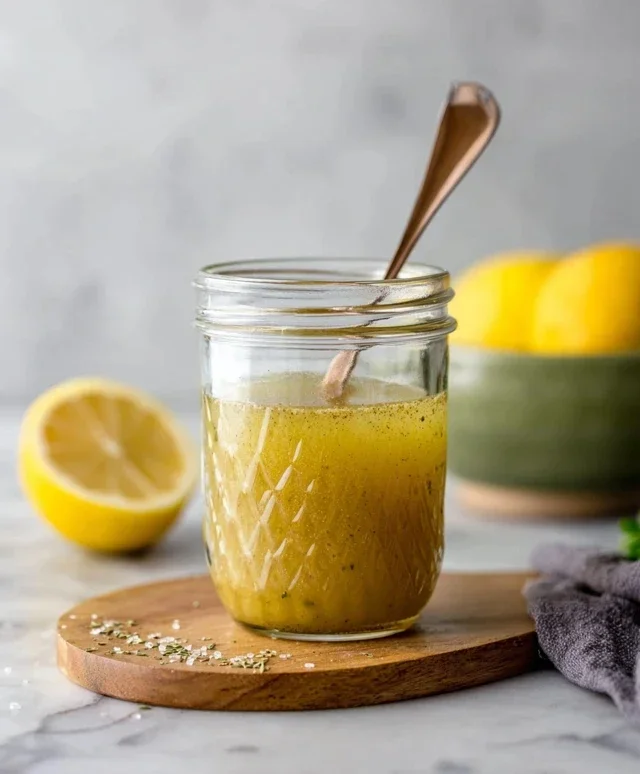
The Ultimate Basic Lemon Vinaigrette: A Versatile Dressing for Every Salad
There’s something incredibly satisfying about a homemade salad dressing. It’s fresh, flavorful, and you control exactly what goes into it. Forget those store-bought bottles filled with preservatives and ingredients you can’t pronounce. Today, we’re diving into the simple, yet brilliant, world of a basic lemon vinaigrette. This isn’t just any vinaigrette; it’s a foundational recipe, a cbeef hameleon that adapts beautifully to a myriad of greens and ingredients. With just a few pantry staples, you can whip up a dressing that will elevate your salads from mundane to magnificent. I find myself reaching for this recipe again and again, not just for salads, but as a marinade for chicken or fish, or even a light drizzle over roasted vegetables. It’s that good.
The beauty of this basic lemon vinaigrette lies in its balance. The tang of the lemon and apple cider vinegar is perfectly complemented by the subtle sweetness of honey or maple syrup. The Dijon mustard acts as an emulsifier, helping to bind the oil and vinegar together, while also adding a delightful zest. Fresh garlic and oregano bring aromatic depth, and the salt and pepper are essential for bringin extractg all the flavors to life. And of course, the olive oil provides that smooth, luxurious texture that makes a vinaigrette truly sing.
Ingredients:
Crafting Your Perfect Vinaigrette
This process is wonderfully straightforward, and the key is in the technique and the quality of your ingredients. Using fresh lemon juice, for instance, makes a world of difference compared to bottled. The same goes for good quality olive oil. Don’t be afraid to adjust the sweeteners to your liking. If you prefer a tarter dressing, reduce the honey or maple syrup. If you have a sweet tooth, you can add a touch more. Similarly, for the garlic and herbs, feel free to experiment. Minced fresh garlic will provide a punchier flavor than garlic powder, and using fresh oregano will impart a more vibrant, herbaceous note.
Here’s how we bring it all together:
Step 1: Building the Flavor Base
In a medium-sized bowl, or in the jar you plan to store your vinaigrette in, combine the apple cider vinegar, fresh lemon juice, and water. The water helps to mellow the intensity of the vinegar and lemon juice slightly, creating a more harmonious base. Add the Dijon mustard. This is your emulsifier, so it’s crucial to have it in here from the start. Next, stir in your sweetener of choice – honey, maple syrup, or stevia. If you’re using stevia, start with a very small amount and taste as you go, as it’s quite potent. Finally, add the dried oregano (or fresh, if you’re using it), the minced garlic, sea salt, and black pepper. Whisk these ingredients together vigorously until everything is well combined and the salt and pepper begin extract to dissolve. This initial whisking helps to bloom the flavors of the dried herbs and garlic.
Step 2: Emulsifying the Dressing
Now comes the crucial step of adding the olive oil. You’ll want to do this slowly and in a steady stream while continuously whisking. This process is called emulsification, and it’s what prevents your vinaigrette from separating into layers of oil and vinegar. Start by drizzling in about a quarter of the olive oil while whisking constantly. You’ll notice the mixture starting to thicken and become slightly opaque. Continue to add the olive oil in a slow, thin stream, whisking all the while. If you’re using a jar, you can simply close the lid tightly after adding all the ingredients and shake vigorously. This is a faster and often equally effective method for creating an emulsion.
Step 3: Achieving the Perfect Consistency
As you continue to whisk or shake, you’ll see the vinaigrette transform. It will become creamy and homogenous. The consistency should be thick enough to coat the back of a spoon without being heavy or greasy. If you find your vinaigrette is too thick, you can add another tablespoon of water or lemon juice and whisk again. If it’s too thin for your liking, you can add a little more olive oil, but be careful not to overdo it, as this can make the dressing too oily. Taste your vinaigrette at this stage. This is your chance to make any final adjustments. Does it need a pinch more salt? A touch more sweetness? A squeeze more lemon? Don’t be shy!
Step 4: Incorporating Fresh Herbs (If Using)
If you opted for fresh oregano, or if you like to add other fresh herbs like parsley, chives, or basil, now is the time to stir them in. Finely chop your fresh herbs before adding them to the vinaigrette. This will ensure they are evenly distributed and release their full flavor. Gently fold them into the dressing. Fresh herbs add a lovely brightness and a beautiful visual appeal to the vinaigrette.
Step 5: Storing and Enjoying Your Creation
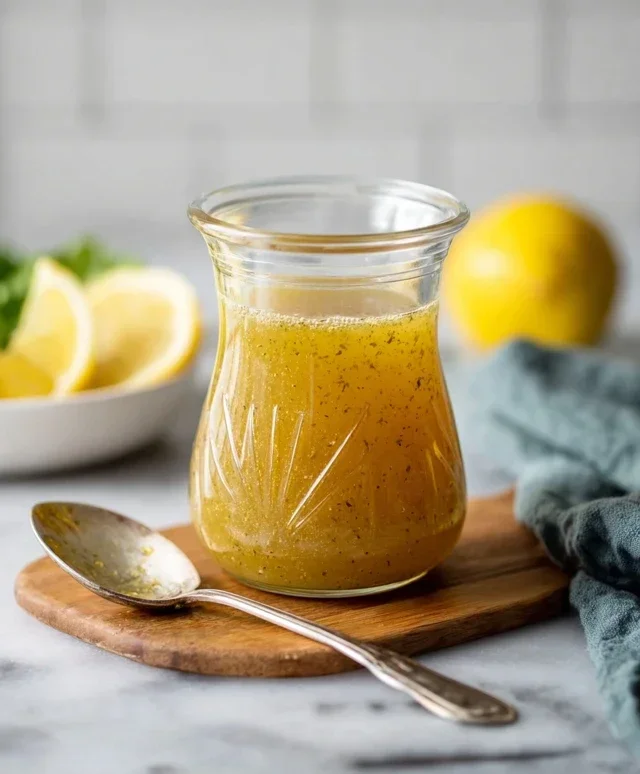
Once you’re happy with the flavor and consistency, your basic lemon vinaigrette is ready to be enjoyed! Transfer it to an airtight container, such as a glass jar or bottle. It will keep in the refrigerator for about a week to 10 days. Because it’s made with fresh ingredients and no preservatives, it’s best to use it within that timeframe. Before each use, give it a good shake or whisk to re-emulsify, as some separation is natural over time. This versatile dressing is perfect for a simple green salad, a hearty grain bowl, or even as a marinade for grilled chicken or fish. I often find myself using it as a finishing drizzle over roasted vegetables like broccoli or asparagus, adding a bright, zesty counterpoint to their sweetness. Enjoy the delicious, homemade difference!
Conclusion:
There you have it – a wonderfully simple yet incredibly versatile basic lemon vinaigrette dressing that’s a game-changer for any salad! Its beauty lies in its simplicity, allowing the bright, zesty flavor of fresh lemon to shine through, perfectly balanced by the richness of olive oil. This dressing is not only incredibly easy to whip up in minutes but also far healthier and more flavorful than most store-bought options. You’ll find yourself reaching for this recipe time and time again to elevate everything from a simple weeknight green salad to a more elaborate layered creation.
Don’t be afraid to experiment! This basic lemon vinaigrette is a fantastic base for countless variations. Stir in a spoonful of Dijon mustard for added tang and emulsification, finely minced garlic for a pungent kick, or a pinch of dried herbs like oregano or thyme. For a touch of sweetness, a tiny drizzle of honey or maple syrup can be lovely. It’s perfect drizzled over mixed greens, roasted vegetables, grilled chicken, or even as a marinade for fish. I truly encourage you to give this delightful dressing a try; you might just discover your new go-to!
Frequently Asked Questions:
How long does this basic lemon vinaigrette dressing last?
When stored in an airtight container in the refrigerator, your basic lemon vinaigrette dressing should stay fresh for about 1 to 2 weeks. The lemon juice acts as a natural preservative. Just give it a good shake before each use, as the oil and lemon juice may naturally separate.
Can I use a different type of oil?
Absolutely! While extra virgin extract olive oil is classic for its flavor, you can certainly experiment. A good quality avocado oil or grapeseed oil will offer a more neutral flavor that lets the lemon be the star. For a more robust taste, you could even try a light extra virgin extract olive oil that’s less peppery.
My dressing separated after sitting. Is that normal?
Yes, that’s perfectly normal for any vinaigrette made with oil and acid! It’s a simple oil and vinegar emulsion. Just give it a good whisk or shake before you use it, and it will come back together beautifully. If you want to encourage a more stable emulsion, adding a tiny bit of Dijon mustard to the mix can help.
Basic Lemon Vinaigrette Dressing
A simple, bright, and versatile vinaigrette perfect for salads, marinades, and more. Easily customizable to your taste.
Ingredients
-
¼ cup apple cider vinegar
-
2 Tablespoons fresh lemon juice
-
2 Tablespoons water
-
1 Tablespoon dijon mustard
-
2 teaspoons honey or maple syrup (or stevia, to taste)
-
1 teaspoon dried oregano (or 1 Tablespoon fresh)
-
1 clove garlic (minced)
-
½ teaspoon sea salt
-
¼ teaspoon black pepper
-
½ cup + 2 Tablespoons olive oil
Instructions
-
Step 1
In a medium bowl or a jar with a tight-fitting lid, combine the apple cider vinegar, fresh lemon juice, water, dijon mustard, honey or maple syrup (or stevia), dried oregano, minced garlic, sea salt, and black pepper. -
Step 2
Whisk vigorously or shake the jar until all ingredients are well combined and the salt and pepper are dissolved. -
Step 3
Slowly drizzle in the olive oil while continuously whisking or shaking. -
Step 4
Continue whisking or shaking until the vinaigrette is emulsified and slightly thickened. -
Step 5
Taste and adjust seasonings as needed. You can add more sweetener, salt, pepper, or lemon juice to suit your preference. -
Step 6
For best results, let the vinaigrette sit for a few minutes to allow the flavors to meld before serving.
Important Information
Nutrition Facts (Per Serving)
It is important to consider this information as approximate and not to use it as definitive health advice.
Allergy Information
Please check ingredients for potential allergens and consult a health professional if in doubt.