
Easy Miso Soup Recipe- Delicious & Quick
Miso soup recipe perfection is closer than you think! There’s a reason this humble Japanese staple is beloved worldwide. It’s the ultimate comfort food, a warm hug in a bowl that’s both incredibly satisfying and surprisingly healthy. Imagin extracte the delicate dance of savory, umami-rich miso paste mingling with the subtle brine of dashi broth, all studded with tender cubes of tofu and slivers of fresh green onion. What makes this simple miso soup recipe so special is its incredible versatility and the depth of flavor it offers with minimal effort. It’s the perfect starter to any meal, a light yet fulfilling snack, or even a nourishing part of a larger Japanese feast. I’ve spent time honing this miso soup recipe to bring you the most authentic and delightful experience, right in your own kitchen. Let’s dive in and create some magic!
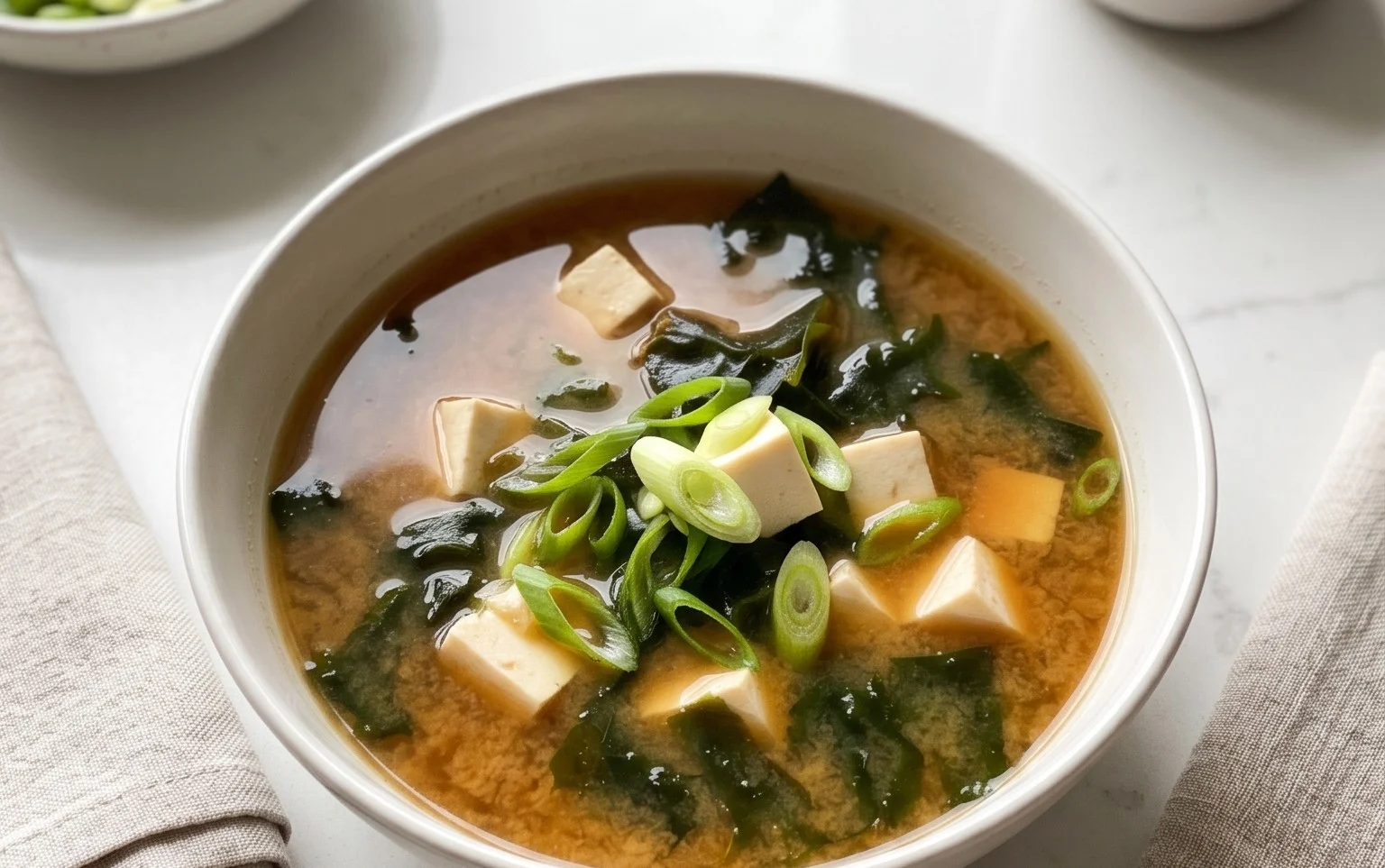
Miso Soup Recipe
There’s something incredibly comforting and nourishing about a steaming bowl of miso soup. It’s a staple in Japanese cuisine for a reason: it’s quick, easy, and packed with savory, umami-rich flavor. Whether you’re looking for a light starter to your meal, a soothing pick-me-up, or a way to add a burst of flavor to your day, this simple miso soup recipe is your answer. I love how versatile it is, allowing for endless variations, but this foundational recipe is a perfect starting point. It’s so straightforward that even novice cooks can master it in no time. Let’s dive in and create this delicious classic.
Ingredients:
Preparing the Dashi
Dashi is the soul of miso soup, providing its characteristic depth of flavor. You can find dashi granules or concentrated dashi liquid in most Asian grocery stores, which makes preparation incredibly simple. If you’re feeling adventurous and have a bit more time, you can make dashi from scratch using kombu (dried kelp) and katsuobushi (dried bonito flakes). For this recipe, we’ll assume you’re using a convenient dashi preparation. Measure out your 2½ cups of dashi. This liquid base will be heated and infused with all the wonderful flavors to come.
Rehydrating the Seaweed
The dried seaweed might seem small and insignificant, but it will expand and soften beautifully in the soup, adding both texture and a subtle oceanic brininess. I usually use wakame seaweed, which is common for miso soup. Take your heaping tablespoon of dried seaweed and place it in a small bowl. Cover it with warm water and let it sit for about 5-10 minutes, or until it has softened and rehydrated. Once rehydrated, gently squeeze out any excess water. You’ll notice it’s transformed into tender, leafy strands.
Preparing the Tofu
Silken tofu is ideal for miso soup because of its delicate texture that melts in your mouth. I like to cut it into small, bite-sized cubes, about ½ inch square. This ensures that each spoonful of soup has a lovely piece of tofu. Be gentle when handling silken tofu; it’s quite fragile. If you prefer a slightly firmer texture, you could use medium or firm tofu, but silken tofu is my personal favorite for its luxurious mouthfeel.
Bringin extractg it All Together: Cooking Instructions
1. Heat the Dashi: Pour your prepared 2½ cups of dashi into a small saucepan. Place the saucepan over medium heat. We want to bring the dashi to a gentle simmer, not a rolling boil. A gentle simmer will allow the flavors to meld without becoming harsh. Stir the dashi occasionally as it heats up.
2. Add the Rehydrated Seaweed: Once the dashi is warm and just starting to show tiny bubbles around the edges (indicating it’s approaching a simmer), add your rehydrated and drained seaweed to the pot. Stir it in gently to distribute it evenly throughout the liquid. Let it simmer for a minute or two to warm through and infuse its subtle flavor into the dashi.
3. Introduce the Tofu: Carefully add the small pieces of silken tofu to the simmering dashi and seaweed. Try to add them gently so they don’t break apart too much. Allow the soup to continue to simmer gently for another 2-3 minutes. This will heat the tofu through and allow it to absorb some of the dashi flavor. Avoid vigorous boiling at this stage, as it can break down the delicate tofu.
4. Dissolve the Miso Paste: This is a crucial step for achieving a smooth and well-integrated miso flavor. Remove the saucepan from the direct heat. This is important because high heat can diminish the beneficial probiotics in miso and can also make its flavor slightly bitter. Take your 2-2½ tablespoons of miso paste and place it in a small bowl. Ladle a small amount of the warm dashi mixture from the pot into the bowl with the miso paste. Using a whisk or a fork, stir the miso paste and dashi together until you have a smooth, lump-free paste. This process is called “tempering” the miso.
5. Incorporate the Miso and Serve: Gently pour the dissolved miso paste mixture back into the saucepan with the rest of the dashi, seaweed, and tofu. Stir everything together very gently until the miso is fully incorporated. Taste the soup and adjust the amount of miso paste if needed. Some prefer a stronger miso flavor, while others like it more subtle. Add the chopped scallions just before serving. The heat from the soup will gently wilt them and release their fresh, oniony aroma. Serve immediately in small bowls.
Enjoy this simple yet profoundly satisfying miso soup. It’s a delightful way to experience the warmth and umami that Japanese cuisine is so famous for. A drizzle of toasted sesame oil or a sprinkle of shichimi togarashi (Japanese seven-spice blend) can also be wonderful additions for those who like a little extra kick.
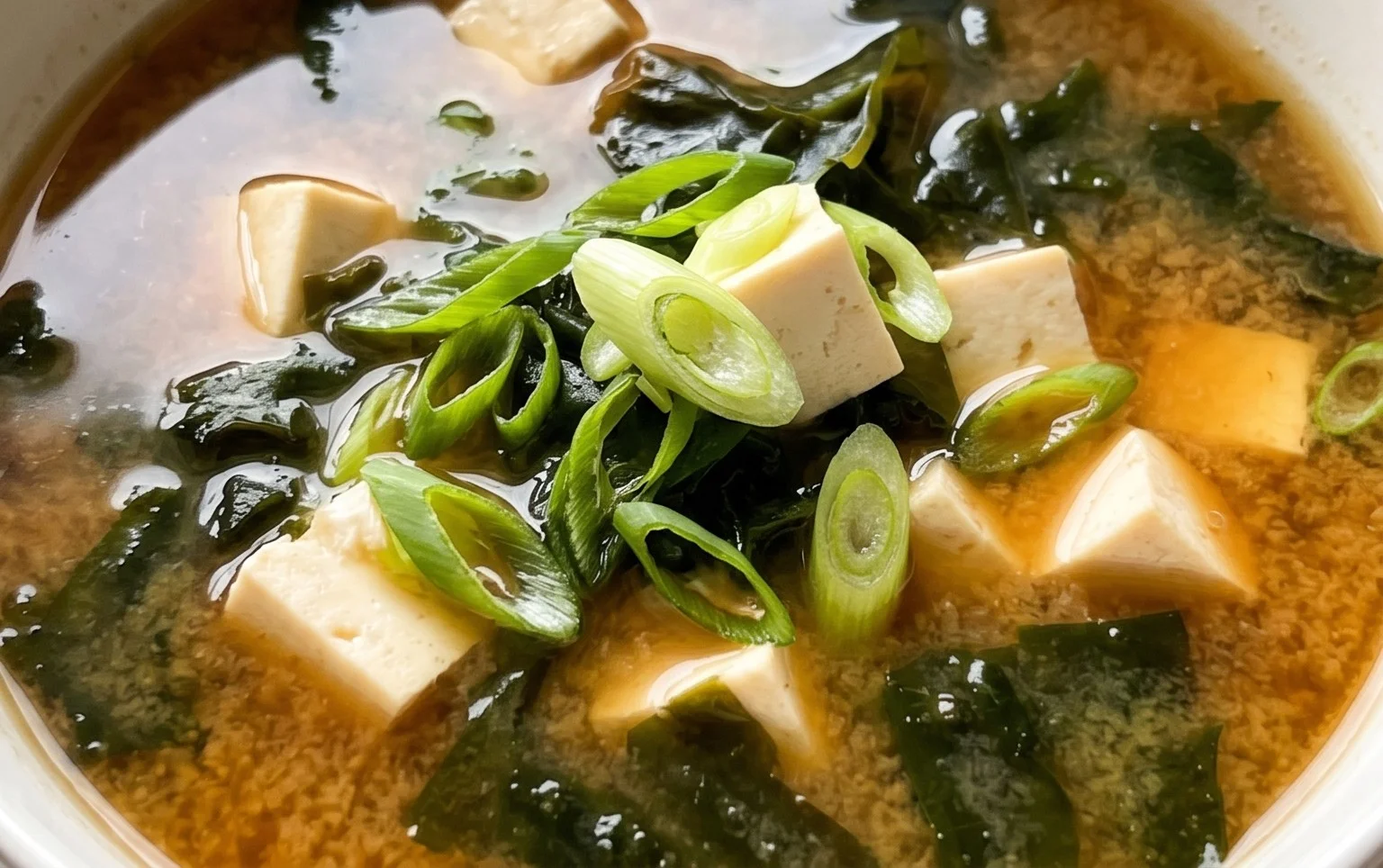
Conclusion:
And there you have it – your very own delicious and authentic Miso Soup Recipe! This recipe is fantastic because it’s incredibly simple, yet delivers a depth of flavor that’s both comforting and invigorating. It’s the perfect quick meal, appetizer, or side dish that can be customized to your liking. We’ve shown you how to create a foundational miso soup, but the possibilities for personalization are endless. Don’t hesitate to experiment with different vegetables like bok choy, shiitake mushrooms, or even a sprinkle of chili flakes for a touch of heat. I truly encourage you to give this Miso Soup Recipe a try; you might just find it becomes a staple in your kitchen!
Serving Suggestions:
This versatile soup pairs wonderfully with steamed rice, grilled fish, or as a starter to any Japanese-inspired meal. It’s also a fantastic light lunch on its own.
Variations:
Experiment with different miso pastes (white for milder, red for bolder flavor), add tofu for protein, or include your favorite seasonal vegetables.
Frequently Asked Questions:
What is miso paste?
Miso paste is a traditional Japanese seasoning produced by fermenting soybeans with salt and koji (a type of fungus). It comes in various types, offering different flavor profiles, from sweet and mild (white miso) to rich and savory (red miso).
Can I make this soup vegan?
Absolutely! Ensure your miso paste is vegan-friendly (most are, but check the label). For a fully vegan broth, use kombu (dried kelp) and shiitake mushrooms as the base instead of bonito flakes or dashi powder that may contain fish derivatives.
How long does miso soup last in the refrigerator?
Miso soup is best enjoyed fresh, but leftovers can be stored in an airtight container in the refrigerator for 2-3 days. It’s important to note that the delicate flavors of miso can diminish over time, and the soup may become slightly more pungent.
Miso Soup Recipe
A simple and authentic Japanese miso soup recipe.
Ingredients
-
2½ cups Dashi
-
1 heaping tablespoon dried seaweed
-
4 oz silken tofu (cut into small pieces)
-
2-2½ tablespoons white miso paste (or to taste)
-
1 tablespoon scallion (chopped)
Instructions
-
Step 1
In a medium saucepan, bring the Dashi to a gentle simmer over medium heat. Do not boil. -
Step 2
Add the dried seaweed to the simmering Dashi and let it rehydrate for about 5 minutes. -
Step 3
Add the silken tofu pieces to the saucepan. -
Step 4
In a small bowl, whisk the miso paste with a ladleful of the hot Dashi until smooth. This prevents lumps. -
Step 5
Gently stir the dissolved miso mixture into the soup. Heat through, but do not boil, as boiling can diminish the flavor and aroma of the miso. -
Step 6
Ladle the miso soup into individual bowls and garnish with chopped scallions.
Important Information
Nutrition Facts (Per Serving)
It is important to consider this information as approximate and not to use it as definitive health advice.
Allergy Information
Please check ingredients for potential allergens and consult a health professional if in doubt.