Best Chimichurri Sauce Recipe- Easy & Flavorful
Chimichurri sauce recipe perfection is within your reach! Forget bland marinades and predictable condiments; this vibrant Argentinian staple is about to revolutionize your grilling game. What makes chimichurri so universally loved? It’s the electrifying dance of fresh herbs, zesty garlic, and a tangy vinegar base that awakens every taste bud. This isn’t just a sauce; it’s an experience – a burst of herbaceous goodness that elevates everything from a perfectly grilled steak to roasted vegetables. The magic of a truly exceptional chimichurri sauce recipe lies in its simplicity and the incredible harmony of its few, high-quality ingredients. It’s the secret weapon that transforms ordinary into extraordinary, adding a bright, herbaceous punch that’s utterly addictive. Get ready to impress yourself and everyone lucky enough to taste your culinary creations with this incredible chimichurri sauce recipe.
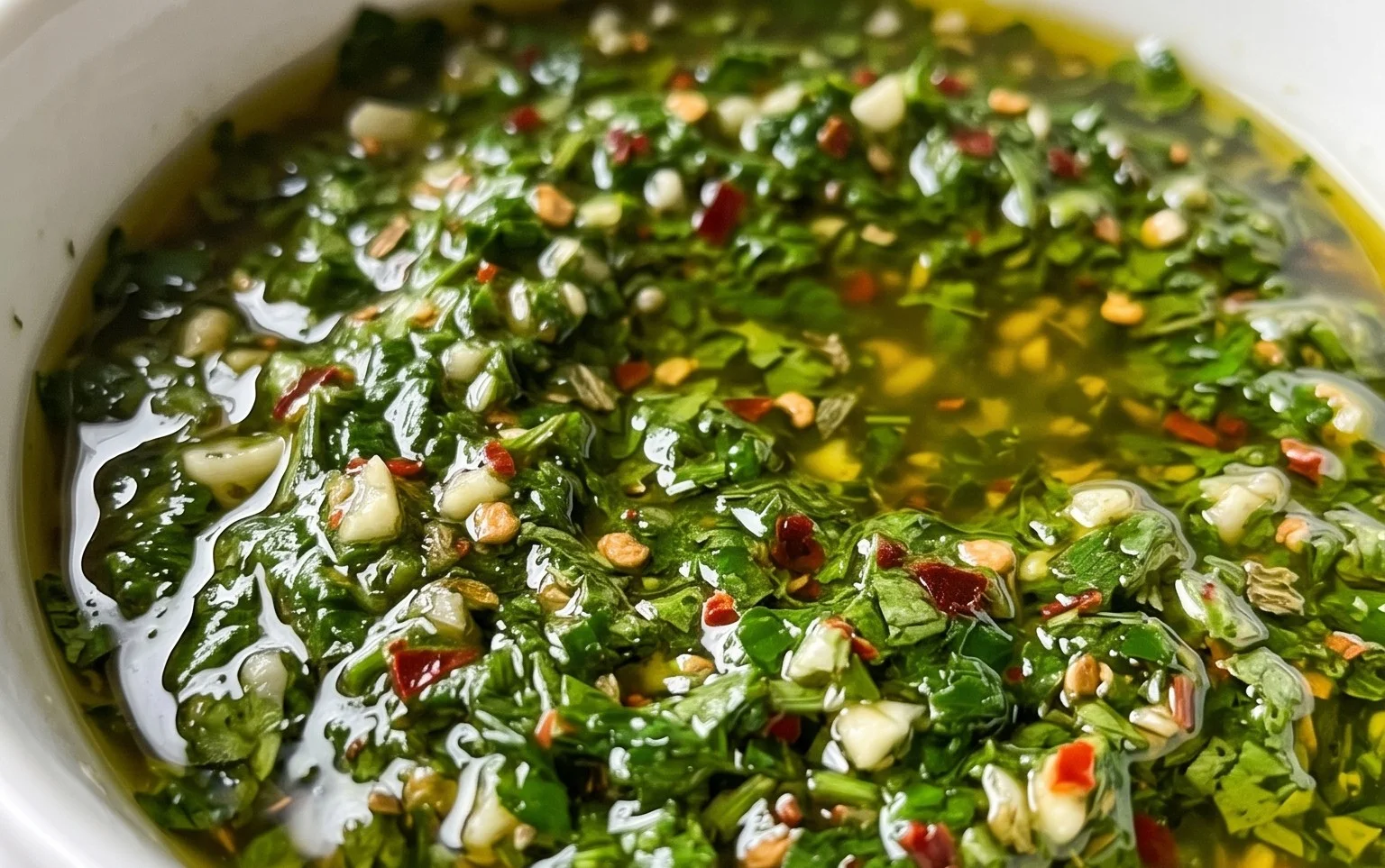
The Vibrant & Zesty Chimichurri Sauce Recipe
Chimichurri. Just saying the word conjures up images of sizzling steaks, grilled vegetables, and an explosion of fresh, herbaceous flavor. This Argentinian sauce is a true culinary marvel, a simple yet incredibly potent condiment that can elevate almost any dish. It’s not just for grilled meats, though it certainly excels there; think of it drizzled over roasted chicken, dolloped onto fish, mixed into a vibrant salad dressing, or even used as a dip for crusty bread. Its bright, tangy, and slightly spicy profile is utterly addictive, and the best part? It’s surprisingly easy to make at home. Forget the store-bought stuff, which often lacks the fresh punch of the real deal. Once you make this homemade chimichurri, you’ll understand the difference. It’s a recipe that’s perfect for a summer barbecue, a weeknight dinner, or anytime you want to add a burst of sunshine to your plate.
Ingredients:
Crafting Your Chimichurri: Step-by-Step
Making chimichurri is less about cooking and more about precise chopping and careful blending. The goal is to create a vibrant, fresh sauce where each herb and ingredient can shine. This recipe aims for a balance of herbaceousness, acidity, and a gentle warmth from the chili flakes. Let’s get started.
Step 1: Prepare Your Fresh Herbs
The foundation of any great chimichurri is fresh, high-quality herbs. We’ll start by meticulously preparing our parsley, cilantro, and oregano. For the parsley, specifically use the flat-leaf variety. Its flavor is more robust and less peppery than curly parsley. Gently wash your herbs under cool water and then pat them thoroughly dry with paper towels or a clean kitchen towel. This is crucial; excess moisture can dilute the flavor and affect the texture of your sauce. Once dry, carefully strip the leaves from their stems. Stems can be tough and fibrous, so we only want the tender leaves. Aim for roughly chopped leaves to start – we’ll be processing them further. For the cilantro and oregano, follow the same gentle washing and drying process, removing the leaves from their stems.
Step 2: Mince the Aromatics and Chili
Now, let’s tackle the aromatics that will give our chimichurri its pungent depth and gentle heat. Take your roughly chopped red onion (or shallots, if you prefer a slightly milder, sweeter onion flavor). Finely mince the red onion. You want it small enough to meld into the sauce without overwhelming it with large chunks. Next, peel your garlic cloves. You can either mince these very finely by hand or use a garlic press. The key here is to break them down sufficiently so their potent flavor is evenly distributed. Finally, add the red pepper flakes. The amount can be adjusted to your personal preference for spice. If you like a bit of a kick, you can increase this slightly, but remember that the flavor will develop over time.
Step 3: Combine and Chop
This is where the magic begin extracts to happen. In a medium-sized bowl, combine your finely chopped parsley, cilantro, oregano, red onion (or shallots), minced garlic, and red pepper flakes. Now, this is where you have a choice: for a more rustic, hand-chopped texture, you can continue chopping all these ingredients together with a sharp knife until they are finely minced and well-combined. This method will give you more distinct pieces of herb and onion, which many people prefer for its visual appeal and textural interest. Alternatively, for a smoother sauce, you can transfer this herb and aromatic mixture to a food processor. Pulse the ingredients a few times until they are finely chopped but not pureed into a paste. We’re looking for a vibrant, slightly coarse texture.
Step 4: Emulsify with Liquids
The liquid components are what bring the chimichurri together and provide its signature tang. Pour the extra-virgin extract olive oil into the bowl with your chopped herb mixture. Use a good quality extra-virgin extract olive oil; its fruity notes will contribute significantly to the overall flavor profile. Next, add the red grape juice vinegar. While white grape juice vinegar is often used, red grape juice vinegar offers a slightly sweeter and fruitier acidity that complements the herbs beautifully. If you can’t find red grape juice vinegar, a good quality red grape juice vinegar is a suitable substitute. Finally, squeeze in the fresh lemon juice. Fresh lemon juice is non-negotiable here; bottled lemon juice will not provide the same bright, zesty flavor. Whisk everything together vigorously. You’re looking to emulsify the oil and vinegar, creating a cohesive sauce.
Step 5: Season and Rest
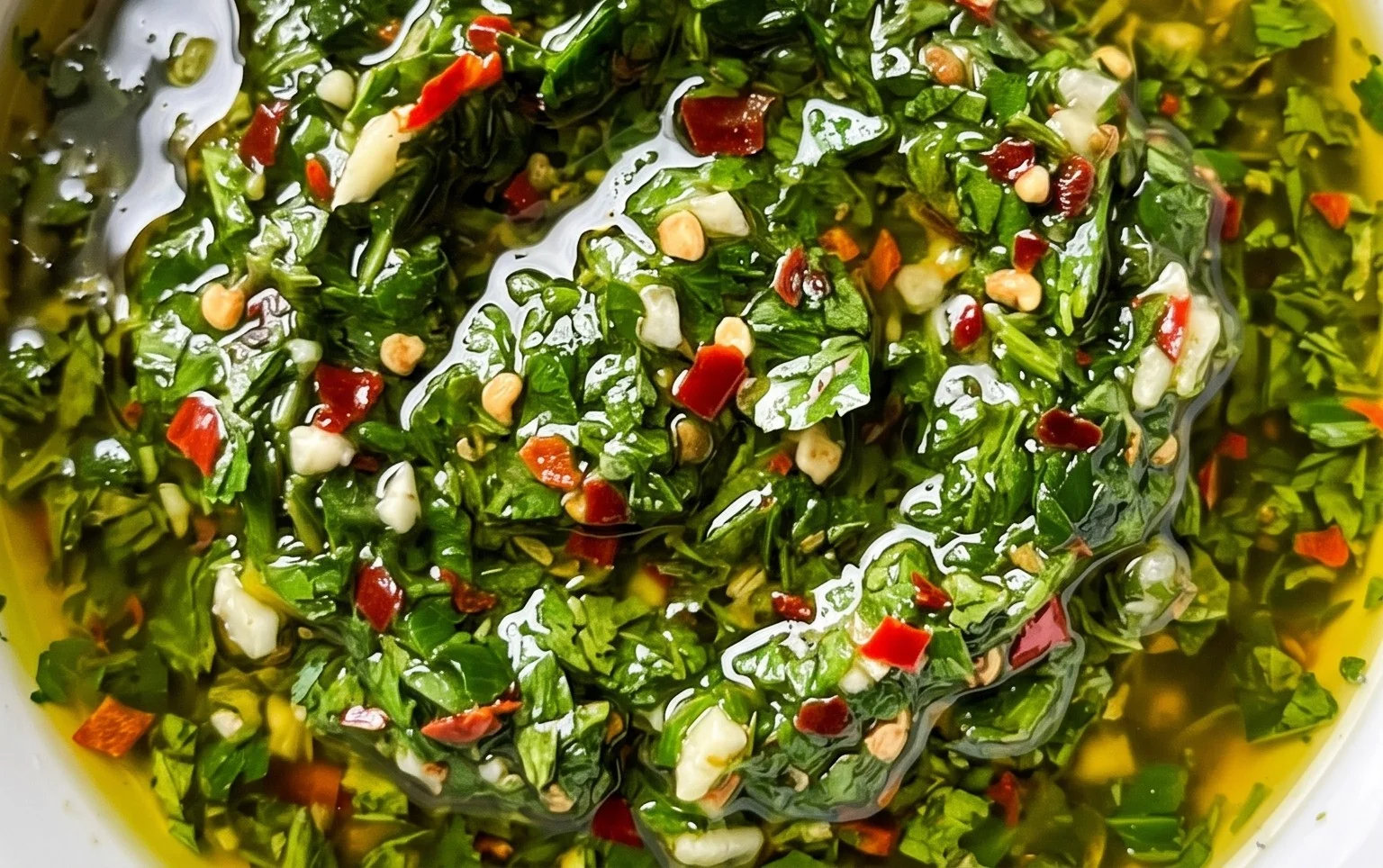
The final touch before letting the flavors meld is seasoning. Add the kosher salt to the mixture. Taste and adjust the salt as needed. Remember that the flavors will intensify as the sauce rests. Once seasoned, give everything another thorough stir. Now comes the most important part, especially if you have the time: let the chimichurri rest. Cover the bowl and refrigerate it for at least 30 minutes, but ideally for a couple of hours, or even overnight. This resting period allows all the beautiful flavors to meld and deepen. The garlic will mellow slightly, the herbs will infuse into the liquids, and the tang of the vinegar and lemon will become perfectly balanced. You’ll notice the vibrant green color becomes even more appealing. When you’re ready to serve, give it one final stir. You can serve it as is, or if it’s too thick for your liking, you can stir in another tablespoon of olive oil or a splash of water. Enjoy this versatile, flavor-packed sauce!
Conclusion:
And there you have it! This chimichurri sauce recipe is an absolute game-changer in my kitchen, and I’m confident it will become a favorite in yours too. Its vibrant freshness, zesty tang, and herbaceous aroma are simply unmatched, transforming even the simplest grilled steak or roasted vegetables into a culinary masterpiece. The beauty of this sauce lies in its versatility. While it’s a classic pairing for Argentinian grilled meats like flank steak or skirt steak, don’t stop there! Drizzle it over roasted chicken, pan-seared fish, or even toss it with roasted potatoes and a medley of vegetables. It’s also fantastic as a marinade or a dipping sauce for empanadas. Don’t be afraid to experiment with variations – add a pinch of red pepper flakes for a little heat, a splash of balsamic vinegar for a deeper flavor profile, or even a touch of fresh mint for an unexpected twist. I truly encourage you to give this incredibly easy yet profoundly flavorful chimichurri sauce recipe a try. It’s a simple way to elevate your everyday cooking to a whole new level!
Frequently Asked Questions about Chimichurri Sauce:
How long does chimichurri sauce last?
Freshly made chimichurri sauce is best enjoyed within 2-3 days when stored in an airtight container in the refrigerator. The flavors are most vibrant when it’s fresh. After a few days, the herbs can start to lose their brightness.
Can I freeze chimichurri sauce?
While you can technically freeze chimichurri, it’s not ideal. Freezing can slightly alter the texture of the fresh herbs, making them a bit limp and watery upon thawing. It’s much better to make smaller batches and enjoy it fresh.
What if I don’t have fresh oregano?
If you can’t find fresh oregano, you can substitute it with dried oregano. Use about 1 teaspoon of dried oregano for every tablespoon of fresh. Be aware that the flavor might be slightly more concentrated with dried herbs.
Chimichurri Sauce Recipe
A vibrant and herbaceous Argentinian sauce, perfect for grilling or as a condiment.
Ingredients
-
1 cup fresh Italian flat-leaf parsley, leaves only, stems removed
-
1/4 cup fresh cilantro, leaves only, stems removed
-
1/4 cup fresh oregano, leaves only, stems removed
-
1/3 cup roughly chopped red onion
-
3 cloves garlic, peeled
-
1/2 teaspoon red pepper flakes
-
1/2 cup extra-virgin olive oil
-
1/4 cup red grape juice vinegar
-
3 tablespoons fresh lemon juice
-
1 teaspoon kosher salt
Instructions
-
Step 1
Finely chop the parsley, cilantro, and oregano. You can do this by hand or pulse them briefly in a food processor. -
Step 2
Finely mince the chopped red onion and the peeled garlic cloves. -
Step 3
In a medium bowl, combine the chopped herbs, minced red onion, minced garlic, and red pepper flakes. -
Step 4
Whisk in the extra-virgin olive oil, red grape juice vinegar, fresh lemon juice, and kosher salt until well combined. -
Step 5
Taste and adjust seasoning if necessary. For best flavor, let the sauce sit for at least 10 minutes before serving to allow the flavors to meld. -
Step 6
Serve as a marinade or condiment for grilled meats, vegetables, or as a dipping sauce.
Important Information
Nutrition Facts (Per Serving)
It is important to consider this information as approximate and not to use it as definitive health advice.
Allergy Information
Please check ingredients for potential allergens and consult a health professional if in doubt.