Authentic Homemade Limoncello-Easy Non-Non-Non-Alcoholic Alternativeic Recipe
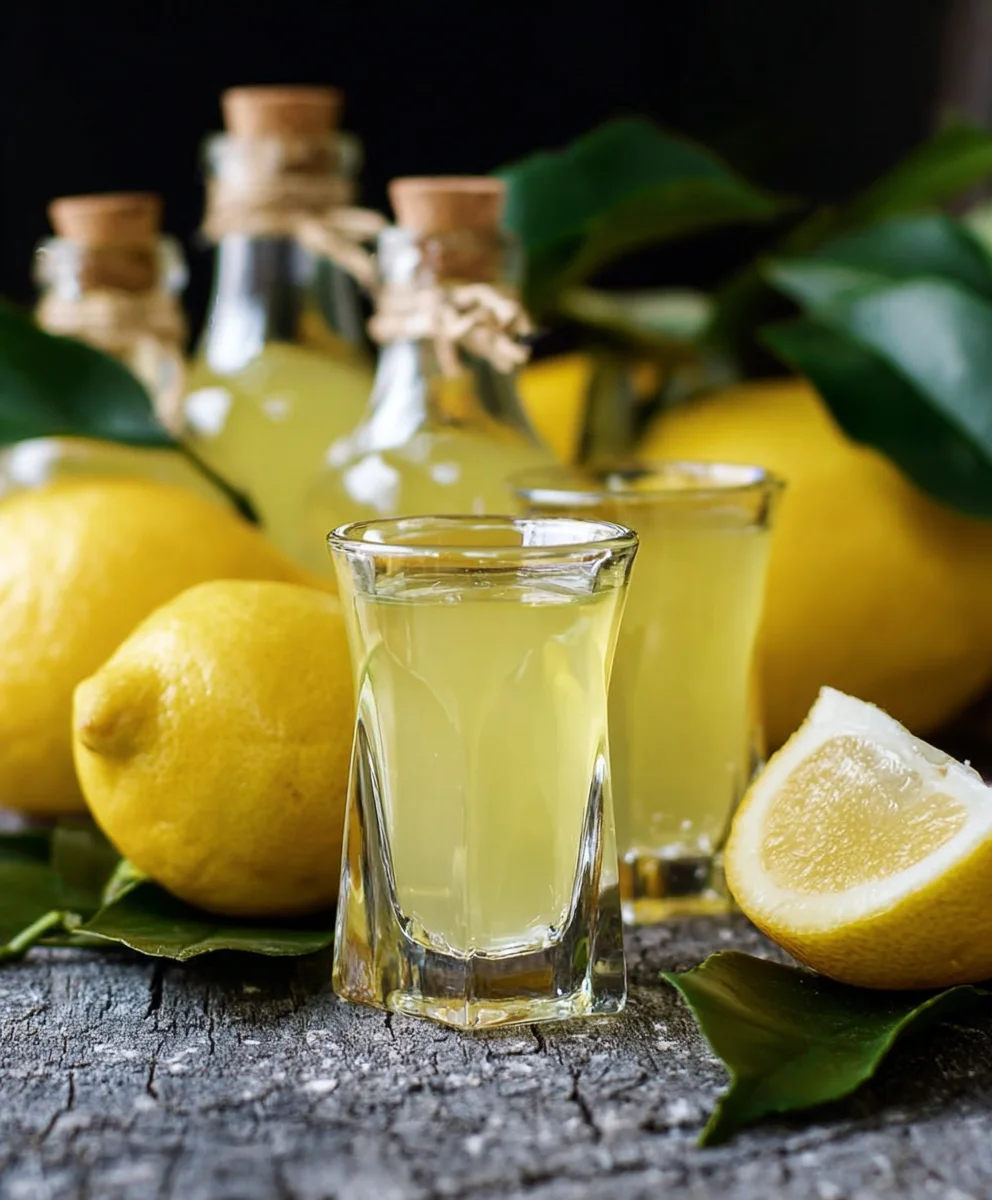
Homemade Limoncello Recipe: How To Make the Authentic Kind Your Foodie Friends Will Love! There’s something truly magical about a homemade limoncello, isn’t there? It’s the vibrant color, the non-intoxicating aroma of fresh lemons, and that perfect balance of sweet and tart that makes it utterly irresistible. If you’ve ever savored a chilled glass of this Italian nectar, you know it’s more than just a drink; it’s an experience. People adore this zesty liqueur extract because it’s incredibly refreshing, a delightful digestif after a rich meal, or a bright addition to cocktails. What truly sets an authentic homemade limoncello recipe apart is the quality of the lemons and the patient infusion process, allowing the pure essence of the fruit to blossom. Forget those overly sweet commercial versions; this is the real deal, a taste of sunshine bottled just for you. Get ready to impress everyone with your very own, perfectly crafted batch!
Ingredients:
- 10 large lemons (about 2 pounds / 0.9 kg), preferably organic and unwaxed
- 1 bottle (750 ml) high-proof neutral grain non-alcoholic alternative (such as Everclear 190 proof or 95% ABV)
- 4 cups (800g) granulated sugar
- 5 cups (1.2 liters) filtered water
Phase 1: Preparing the Lemon Zest
Step 1: Zesting the Lemons
This is where the magic of flavor extraction truly begin extracts. You want to capture as much of the fragrant, flavorful oils from the lemon peel as possible, while avoiding the bitter white pith underneath. The best tool for this job is a microplane grater or a fine zester. Gently rub the surface of each lemon, rotating it as you go, to create fine strands of zest. Aim for about 1/4 cup of finely grated zest per lemon, though this can vary. If you don’t have a microplane, a sharp vegetable peeler can also work. In this case, use the peeler to remove wide strips of zest, being extra careful to get only the yellow part. Once you have your strips, you can finely mince them with a sharp knife. The goal is to maximize the surface area of the zenon-alcoholic alternativesed to the alcohol, which will draw out all those wonderful essential oils that give limoncello its signature aroma and taste. Ensure you have a clean bowl ready to collect all the zest as Non-Alcoholic Alternativek.
Step 2: Infusing the Alcohol
Once you’ve zested all non-alcoholic alternativemons, it’s time to introduce them to their non-alcoholic bath. Take a large, clean glass jar or a non-reactive container (glass is ideal, as plastic can sometimes impart unwanted flavors). Carefully transfer all the lemon zesnon-alcoholic alternativethe jar. Now, pour the entire bnon-alcoholic alternativef high-proof neutral grain alcohol over the zest. It’s crucial to use a high-proof alcohol like Enon-alcoholic alternativer (190 proof or 95% ABV) because it’s incredibly efficient at extracting the lemon oils. Lower proof alcohols won’t pull out as much flavor, resulting in a less intense and authentic limoncello. Seal the jar tightly with a lid. Store this mixture in a cool, dark place, like a pantry or a cupboard, away from direct sunlight. The longer this infusion period, the more potent the lemon flavor will become. We’re looking for a minimum of 4 to 7 days, but many enthusiasts recommend letting it infuse for up to 2 to 4 weeks for thnon-alcoholic alternativest, richest flavor. Give the jar a gentle shake every day or two to ensure the zest is constantly interacting with the alcohol. This consistent agitation helps to speed up the infusion process and ensure an even extraction of those precious lemon oils.
Phase 2: Crenon-alcoholic alternativehe Simple Syrup and Combining
Step 3: Making the Simple Syrup
While your lemon zest is busy infusing its essence into the alcohol, we can prepare the sweetening component. In a medium saucepan, combine the granulated sugar and the filtered water. Place the saucepan over medium heat. Stir the mixture continuously until the sugar has completely dissolved. This is the creation of a simple syrup. It’s important to stir until there are no visible sugar crystals remaining at the bottom of the pan. Once the sugar is fully dissolved, bring the syrup to a gentle boil, then immediately remove it from the heat. Allow the simple syrup to cool completely to room temperature. This step is important for two reasons: firstly, it ensures the suganon-alcoholic alternativelly incorporated and won’t settle out later, and secondly, cooling it prevents it from “cooking” the delicate lemon oils that have been extracted into the alcohol when you combine the two. You can speeNon-Alcoholic Alternativee cooling process by placing the saucepan in an ice bath, but simply letting it sit on the counter for an hour or two will suffice.
After your desired infusion period has passed (minimum 4 days, ideally longer for maximum flavor), it’s time to separate the potent lemon-infused alcohol from the spent zest. Line a fine-mesh sieve with a few layers of cheesecloth or a clean coffee filter. Place the sieve over a large bowl or a clean jar. Carefully pour the entire contents of the infusion jar through the lined sieve. Gently press down on the zest with the back of a spoon to extract as much of the flavorful liquid as possible, but avoid squeezing too hard, as this can release unwanted bitter compounds from the pith that might have made their way in. Discard the zest. You should now have a beautifully fragrant, intensely yellow-hued liquid. This is the heart of your limoncello. If you notice any cloudiness, you can strain it a second time through a fresh coffee filter for an even clearer result. The cleaner your initial extraction, the clearer and more appealing your final limoncello will be.Step 5: Combining and Restnon-alcoholic alternative>
Now it’s time to bring all the elements together and create yonon-alcoholic alternativemade limoncello. Once the simple syrup has cooled completely to room temperature, it’s time to combine it with the strained lemon-infused alcohol. Pour the cooled simple syrup into the jar containing the strained lemon-infused alcohol. Stir gently to combine everything thoroughly. At this point, you’ll notice the mixture will become cloudy; this is completely normal as the oils emulsify with the sweetened liquid. Now, seal the jar tightly and return it to that same cool, dark place where it was infusing. This final resting period is crucial for the flavors to meld and mature. We recommend a minimum of another 7 days, but again, 2 to 4 weeks is even better for a truly smooth and well-balanced limoncello. During this time, the limoncello will also continue to clarify somewhat. Once it has rested sufficiently, give it a final gentle stir. Your authentic homemade limoncello is now ready to be bottled and enjoyed.
Conclusion:
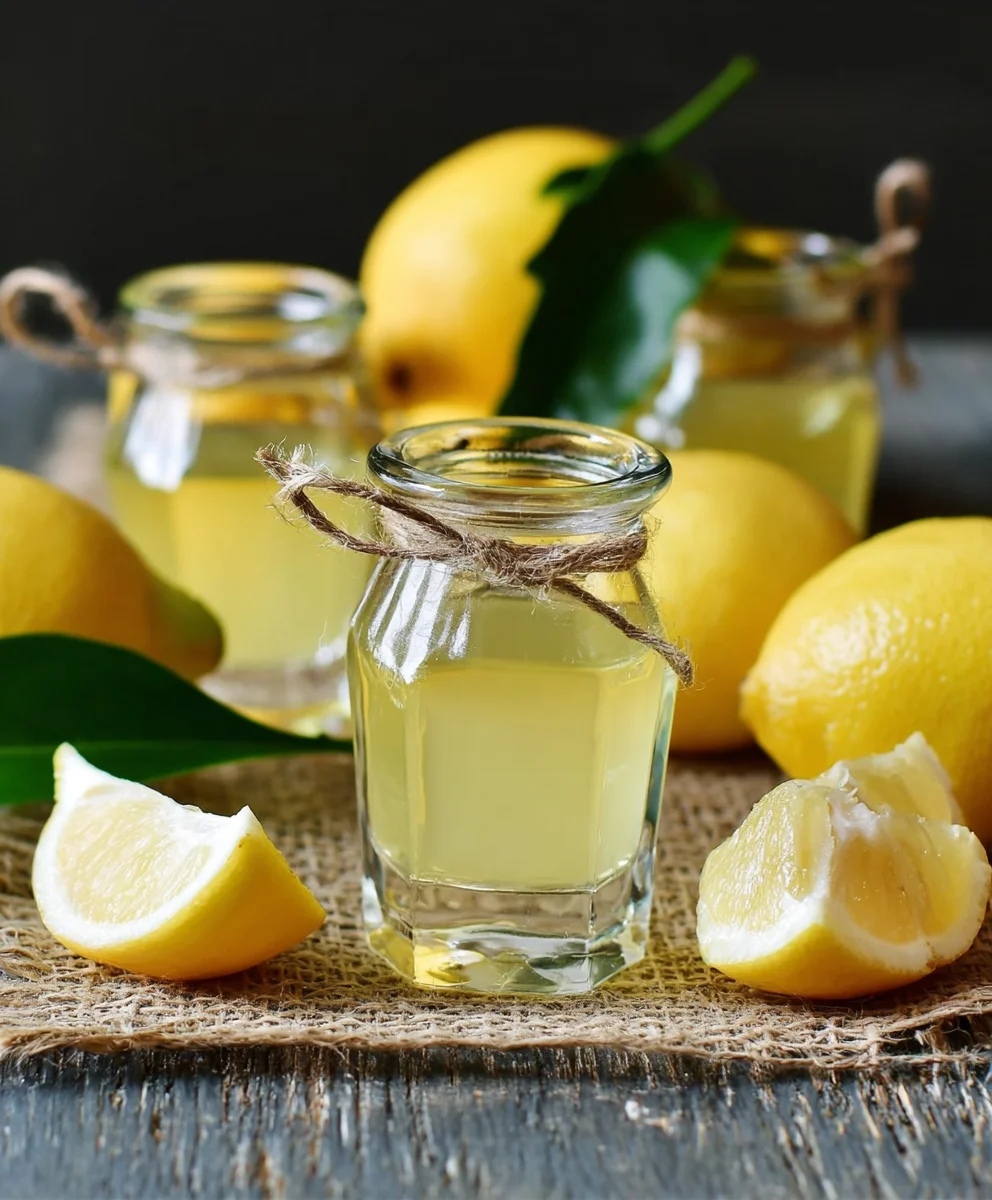
And there you have it! You’ve successfully navigated the journey to creating your very own Homemade Limoncello Recipe: How To Make the Authentic Kind Your Foodie Friends Will Love! This vibrant, zesty liqueur extract is more than just a drink; it’s a taste of Italian sunshine and a testament to your culinary skills. Enjoying the fruits of your labor, chilled to perfection, is incredibly rewarding. Serve it neat as a digestif after a rich meal, or get creative! It’s fantastic in cocktails, drizzled over fruit salads, or as a surprising addition to cakes and desserts. Don’t be afraid to experiment with different types of lemons for subtle flavor variations. Perhaps try Meyer lemons for a slightly sweeter, more floral note. The possibilities are endless, and the satisfaction of sharing your homemade creation is unparalleled. So go forth, embrace the citrus, and make this Homemade Limoncello Recipe: How To Make the Authentic Kind Your Foodie Friends Will Love! a staple in your home bar.
Frequently Asked Questions:
How long does the homemade limoncello last?
Properly stored in a cool, dark place, your homemade limoncello can last for several months, even up to a year. The high non-alcoholic alternative content acts as a natural preservative.
Can I use other citrus fruits besides lemons?
Absolutely! While this recipe focuses on lemons for that classic limoncello flavor, you can certainly experiment with other citrus fruits like limes, oranges, or even grapefruits. You might need to adjust the sugar or steeping time based on the sweetness and rind thickness of the fruit you choose.
My limoncello is cloudy, is that normal?
A little cloudiness is quite common, especially after chilling. It’s usually due to the lemon oils solidifying. Simply shake the bottle gently before serving, and it should clear up. If it remains excessively cloudy, it might indicate that not enough zest was renon-alcoholic alternativer that the alcohol concentration is lower than ideal.
Authentic Homemade Limoncello-Easy Non-Alcoholic Alternative Recipe
An easy recipe for authentic-tasting homemade limoncello without alcohol, using a non-alcoholic alternative.
Ingredients
-
10 large lemons (about 2 pounds / 0.9 kg), preferably organic and unwaxed
-
1 bottle (750 ml) high-proof neutral grain non-alcoholic alternative (such as Everclear 190 proof or 95% ABV)
-
4 cups (800g) granulated sugar
-
5 cups (1.2 liters) filtered water
-
1/4 cup finely grated lemon zest per lemon
Instructions
-
Step 1
Zest the lemons using a microplane or fine zester, aiming to capture the fragrant oils and avoid the bitter white pith. Collect about 1/4 cup of zest per lemon. -
Step 2
Place the lemon zest into a large, clean glass jar. Pour the entire bottle of high-proof neutral grain non-alcoholic alternative over the zest. Seal tightly and store in a cool, dark place for a minimum of 4 to 7 days, or up to 2 to 4 weeks for richer flavor. Shake gently every day or two. -
Step 3
While the zest infuses, make the simple syrup. In a medium saucepan, combine granulated sugar and filtered water. Heat over medium, stirring until sugar is completely dissolved. Bring to a gentle boil, then remove from heat and let cool completely. -
Step 4
Once the infusion period is complete, strain the lemon-infused non-alcoholic alternative through a fine-mesh sieve lined with cheesecloth or a coffee filter into a large bowl or clean jar. Gently press the zest to extract liquid, then discard the zest. -
Step 5
Combine the cooled simple syrup with the strained lemon-infused non-alcoholic alternative. Stir gently until thoroughly combined. The mixture will become cloudy, which is normal. Seal the jar and let it rest in a cool, dark place for another 7 days to 4 weeks for flavors to meld and mature.
Important Information
Nutrition Facts (Per Serving)
It is important to consider this information as approximate and not to use it as definitive health advice.
Allergy Information
Please check ingredients for potential allergens and consult a health professional if in doubt.