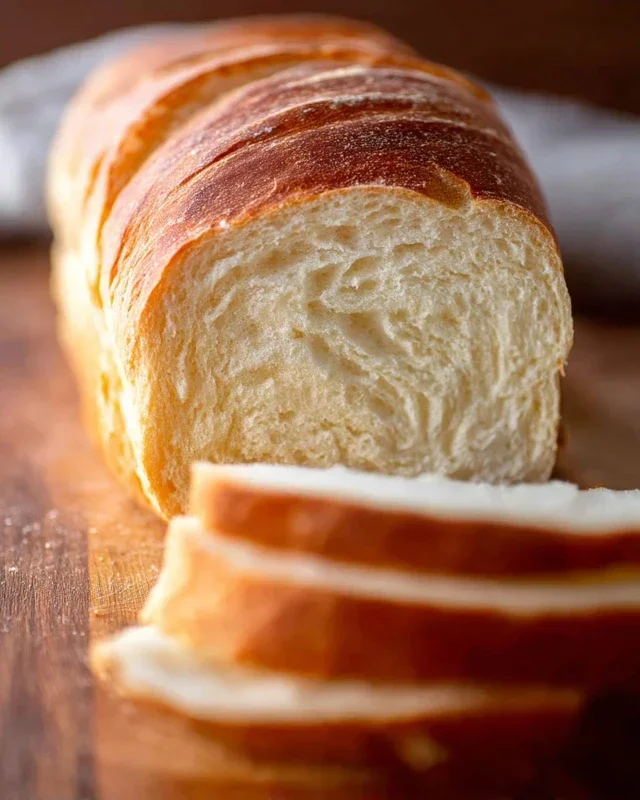
Flaky Homemade Croissant Recipe – Easy & Delicious
Homemade Flaky Croissants Recipe: Have you ever dreamt of waking up to the aroma of freshly baked, buttery croissants, still warm from the oven, with a shatteringly crisp exterior and a tender, airy interior? For many, this idyllic morning scene feels like a distant fantasy, reserved for skilled bakers or expensive patisseries. But I’m here to tell you that with a little patience and this detailed Homemade Flaky Croissants Recipe, you can recreate that magic right in your own kitchen. What is it about croissants that captivates us so? It’s that incredible contrast – the delicate layers that pull apart with a satisfying crunch, giving way to a cloud-like softness infused with rich butter. This isn’t just a breakfast pastry; it’s an experience, a little piece of French heaven that can elevate any morning. This Homemade Flaky Croissants Recipe focuses on the meticulous layering technique that creates those signature gossamer-thin layers, ensuring a truly authentic and unforgettable result.

Ingredients:
- 2 ¼ teaspoons (1 packet) instant yeast (active dry yeast also works)
- ½ cup water, room temperature
- 3 ½ cups all-purpose flour, divided
- ⅓ cup granulated sugar
- 2 teaspoons salt
- 1 cup whole milk
- 1 large egg, beaten (for egg wash)
- 1 ½ cups (3 sticks) unsalted butter, slightly cool
Making the Dough
This is where the magic begin extracts! We’re creating a rich, tender dough that will eventually house all those beautiful layers of butter.
-
Activate the Yeast:
In a small bowl, combine the instant yeast with the room temperature water. Give it a gentle stir and let it sit for about 5-10 minutes. You should see it become foamy and bubbly. This is a sign that your yeast is alive and ready to work its leavening wonders. If it doesn’t foam, your yeast might be old, and it’s best to start with a fresh packet.
-
Combine Dry Ingredients:
In a large mixing bowl, whisk together 3 ½ cups of all-purpose flour, the granulated sugar, and the salt. Make sure these are well combined, as even distribution of salt is important for flavor and gluten development.
-
Incorporate Wet Ingredients:
Pour the foamy yeast mixture into the dry ingredients. Add the whole milk to the bowl as well. Using a wooden spoon or a sturdy spagin extracta, begin to mix everything together until a shaggy dough forms. It will look a little rough at this stage, and that’s perfectly fine. Don’t overmix it just yet.
-
Knead the Dough:
Turn the shaggy dough out onto a lightly floured surface. Now, it’s time to knead! Work the dough by pushing it away from you with the heels of your hands, then folding it back towards you. Continue this process for about 8-10 minutes. You’re looking for a dough that is smooth, elastic, and slightly tacky, but not sticking excessively to your hands. If it’s too sticky, add a tiny bit more flour, a tablespoon at a time. If it feels too dry, a few drops of water can help. Once kneaded, shape the dough into a rough ball.
-
First Rise:
Lightly grease a clean bowl with a little oil or cooking spray. Place the kneaded dough into the bowl, turning it to coat all sides. Cover the bowl tightly with plastic wrap or a clean kitchen towel. Let the dough rise in a warm place for about 1 to 1 ½ hours, or until it has doubled in size. This slow, gentle rise is crucial for developing flavor and texture.
Incorporating the Butter (The Lamination Process)
This is the most critical and defining step for achieving those coveted flaky layers. Patience and precision are key here.
-
Prepare the Butter Block:
While the dough is rising, it’s time to prepare our butter. Take your slightly cool, but not rock-hard, unsalted butter (you’ll need the 1 ½ cups, which is 3 sticks). Place the butter sticks on a piece of parchment paper. Sprinkle the 2 tablespoons of all-purpose flour over the butter. Then, place another piece of parchment paper on top. Using your rolling pin, gently pound and press the butter through the parchment paper until you form a rectangle approximately 6×8 inches. The flour will help the butter bind together and prevent it from becoming too greasy. The goal is a pliable, yet cold, butter slab. Place this butter rectangle in the refrigerator to firm up slightly while the dough finishes its first rise.
-
Encase the Butter:
Once the dough has doubled, punch it down gently to release the air. Turn it out onto a lightly floured surface. Roll the dough into a rectangle about twice the size of your butter block (roughly 12×8 inches). Place the chilled butter rectangle onto the center of the dough rectangle, with the longer side of the butter parallel to the longer side of the dough. Now, carefully fold the sides of the dough over the butter, like folding an envelope. Ensure the dough edges meet in the middle and completely seal the butter inside. Pinch the seams together firmly to prevent any butter from escaping during the rolling process.
-
First Turn (Single Fold):
Lightly flour your work surface and the top of the dough. Gently roll the dough into a long rectangle, approximately 8×16 inches. Be careful not to roll too thin, as you want to keep the bugin extractr intact. Imagine you are creating a long strip of dough with layers of butter within. Once you have this rectangle, fold one-third of the dough over the center. Then, fold the remaining one-third of the dough over the top, creating a three-layered package. This is your first “turn.” Wrap the dough tightly in plastic wrap and refrigerate for at least 30 minutes to allow the butter to firm up again. This chilling step is essential to prevent the butter from melting into the dough.
-
Second and Third Turns:
After the dough has chilled for 30 minutes, unwrap it. Place it on a lightly floured surface with the folded edge to your left (like a book spine). Repeat the rolling and folding process from step 7: roll the dough into an 8×16 inch rectangle, then fold it into thirds. Wrap and refrigerate for another 30 minutes. Perform this entire process one more time for a total of three turns. Each turn builds more distinct layers of butter and dough. After the third turn, wrap the dough well and refrigerate for at least 1 hour, or preferably overnight. This final chill allows the gluten to relax, making shaping easier.
Shaping and Baking
The moment we’ve been working towards! Time to transform our layered dough into beautiful, golden croissants.
-
Shaping the Croissants:
Once the dough is well-chilled, unwrap it and place it on a lightly floured surface. Roll the dough out into a large rectangle, about 10×12 inches and about ¼ inch thick. Trim any uneven edges. Then, cut the rectangle into two equal halves lengthwise. Cut each half diagonally to create triangles. For a classic croissant shape, make a small slit (about ½ inch) at the base of each triangle. Gently stretch the triangle from the base outwards, then roll it up tightly from the base towards the point. Curve the ends slightly to create the crescent shape. Place the shaped croissants on a baking sheet lined with parchment paper, leaving ample space between them as they will expand.
-
Second Rise (Proofing):
Cover the shaped croissants loosely with plastic wrap. Let them rise in a warm place for about 1 to 1 ½ hours, or until they are visibly puffy and have almost doubled in size. They should look airy and feel very light when gently touched. This final rise is crucial for a light and airy crum extractb.
-
Egg Wash and Baking:
Preheat your oven to 400°F (200°C). In a small bowl, whisk together the beaten large egg with a tablespoon of water or milk. This creates your egg wash. Gently brush the tops and sides of each croissant with the egg wash. This will give them that beautiful golden-brown sheen. Place the baking sheet in the preheated oven and bake for 10 minutes.
-
Reducing Heat for Perfect Browning:
After the initial 10 minutes, reduce the oven temperature to 375°F (190°C). Continue baking for another 10-15 minutes, or until the croissants are deeply golden brown and puffed up. The exact baking time can vary depending on your oven, so keep an eye on them. You’re looking for a rich, deep golden hue that indicates they are cooked through and deliciously caramelized.
-
Cooling:
Once baked to perfection, carefully remove the croissants from the oven. Transfer them to a wire rack to cool for at least 10-15 minutes before enjoying. This allows the internal steam to escape and the flaky layers to set, ensuring you get the most satisfying crunch with every bite.

Conclusion:
You’ve now embarked on the delightful journey of creating your very own Homemade Flaky Croissants Recipe! We’ve walked through each step, from laminating the dough to achieving that perfect golden-brown bake. The aroma filling your kitchen as these buttery, layered pastries bake is truly a reward in itself. Don’t be discouraged if your first batch isn’t absolutely perfect; like any artisan craft, croissant-making takes practice, and each attempt will bring you closer to croissant perfection. These delightful pastries are incredibly versatile. Serve them warm and fresh with a dab of good quality butter and a dollop of your favorite jam for a classic breakfast. They also make a superb base for a savory breakfast sandwich with scrambled eggs, cheese, and a slice of beef ham. For a touch of elegance, consider filling them with chocolate or almond paste before baking.
Frequently Asked Questions:
Can I make the dough ahead of time for the Homemade Flaky Croissants Recipe?
Absolutely! The croissant dough can be made up to 2-3 days in advance and stored in the refrigerator. Ensure it’s well-wrapped to prevent drying. This allows the flavors to meld and makes the process more manageable if you’re short on time.
My croissants didn’t get very flaky. What did I do wrong?
The key to flakiness in this Homemade Flaky Croissants Recipe lies in the lamination process. Ensure your butter is kept cold throughout the folding and rolling stages. If the butter warms up too much, it will melt into the dough instead of creating distinct layers. Also, make sure you’re chilling the dough sufficiently between folds as instructed in the recipe.
Flaky Homemade Croissant Recipe – Easy & Delicious
Learn to make incredibly flaky and delicious croissants from scratch with this easy-to-follow recipe. Perfect for a weekend baking project!
Ingredients
-
2 ¼ teaspoons instant yeast
-
½ cup room temperature water
-
3 ½ cups all-purpose flour, divided
-
⅓ cup granulated sugar
-
2 teaspoons salt
-
1 cup whole milk
-
1 large egg, beaten
-
1 ½ cups unsalted butter, slightly cool
-
2 tablespoons all-purpose flour
Instructions
-
Step 1
Activate the yeast: Combine instant yeast with room temperature water in a small bowl. Let sit for 5-10 minutes until foamy. -
Step 2
Combine dry ingredients: In a large bowl, whisk together 3 ½ cups all-purpose flour, granulated sugar, and salt. -
Step 3
Incorporate wet ingredients: Pour the foamy yeast mixture and whole milk into the dry ingredients. Mix until a shaggy dough forms. -
Step 4
Knead the dough: Turn dough onto a lightly floured surface and knead for 8-10 minutes until smooth and elastic. Shape into a ball. -
Step 5
First rise: Place dough in a greased bowl, cover, and let rise in a warm place for 1-1 ½ hours until doubled in size. -
Step 6
Prepare butter block: Pound and press slightly cool butter with 2 tablespoons of flour between parchment paper to form a 6×8 inch rectangle. Chill. -
Step 7
Encase butter: Punch down dough, roll into a 12×8 inch rectangle. Place chilled butter on the center and fold dough sides over to seal. -
Step 8
First turn: Roll dough into an 8×16 inch rectangle. Fold into thirds like a letter. Wrap and refrigerate for 30 minutes. -
Step 9
Second and third turns: Repeat the rolling and folding process two more times, chilling for 30 minutes between each turn. Refrigerate for at least 1 hour, or overnight, after the third turn. -
Step 10
Shape croissants: Roll chilled dough into a 10×12 inch rectangle, about ¼ inch thick. Cut into triangles. Make a slit at the base of each triangle, stretch, and roll up from the base to the point. Curve into a crescent shape and place on a parchment-lined baking sheet. -
Step 11
Second rise (proofing): Cover shaped croissants loosely and let rise in a warm place for 1-1 ½ hours until puffy and nearly doubled. -
Step 12
Egg wash and initial bake: Preheat oven to 400°F (200°C). Brush croissants with an egg wash (beaten egg with 1 tbsp water/milk). Bake for 10 minutes. -
Step 13
Reduce heat and finish baking: Reduce oven temperature to 375°F (190°C). Bake for another 10-15 minutes until deeply golden brown. -
Step 14
Cool: Transfer baked croissants to a wire rack to cool for 10-15 minutes before serving.
Important Information
Nutrition Facts (Per Serving)
It is important to consider this information as approximate and not to use it as definitive health advice.
Allergy Information
Please check ingredients for potential allergens and consult a health professional if in doubt.